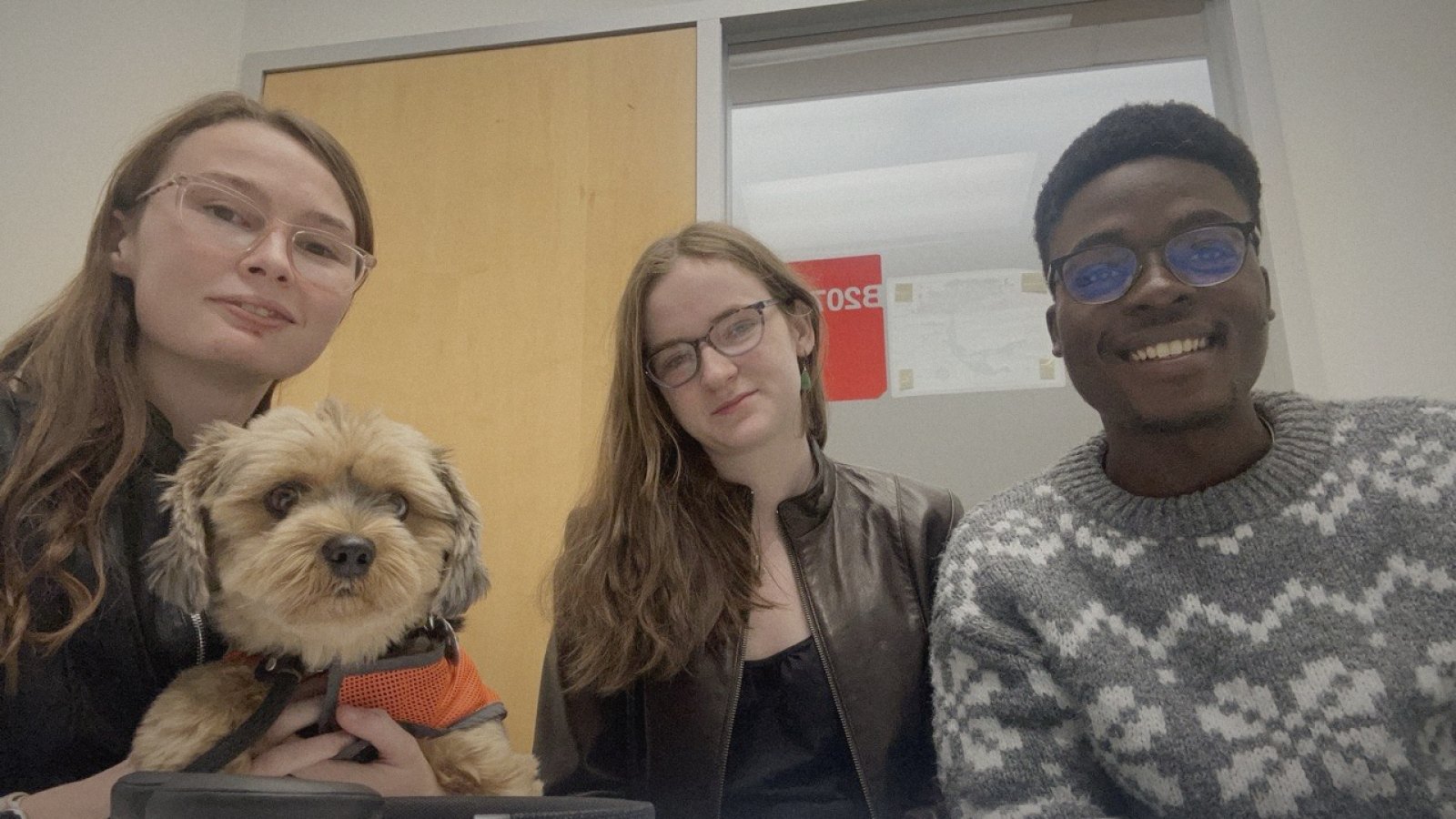
Small team. Close to the problem.
Nothing about us without us. We build with people who live with limited mobility, from the first sketch to the first pilot.
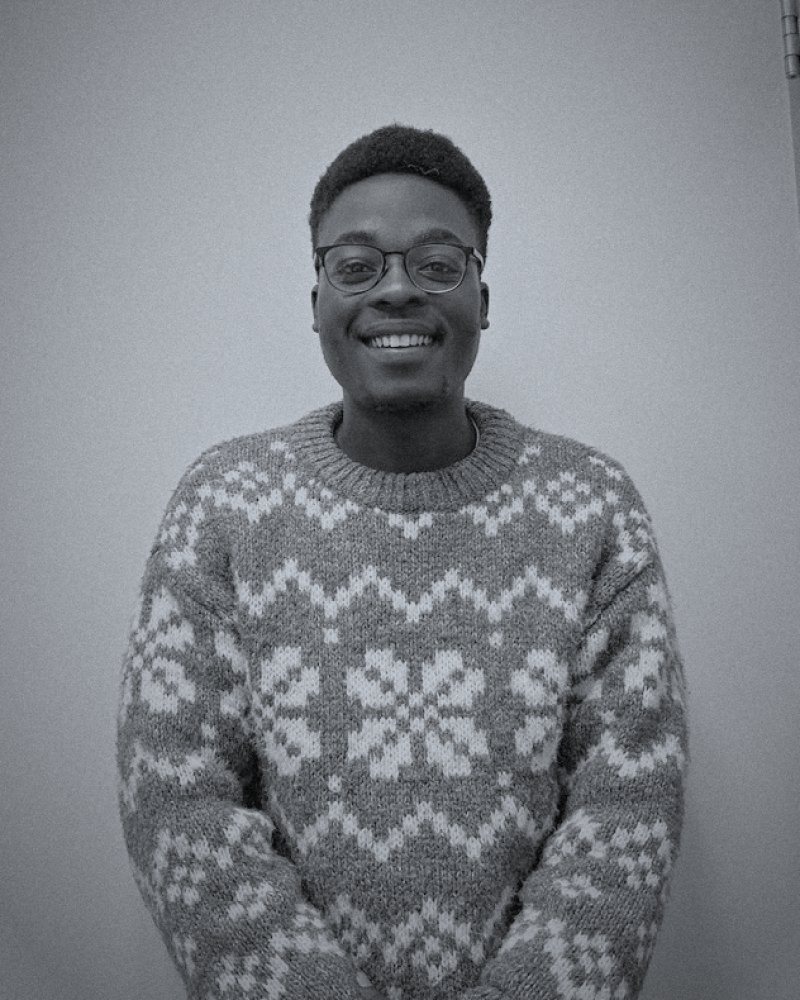
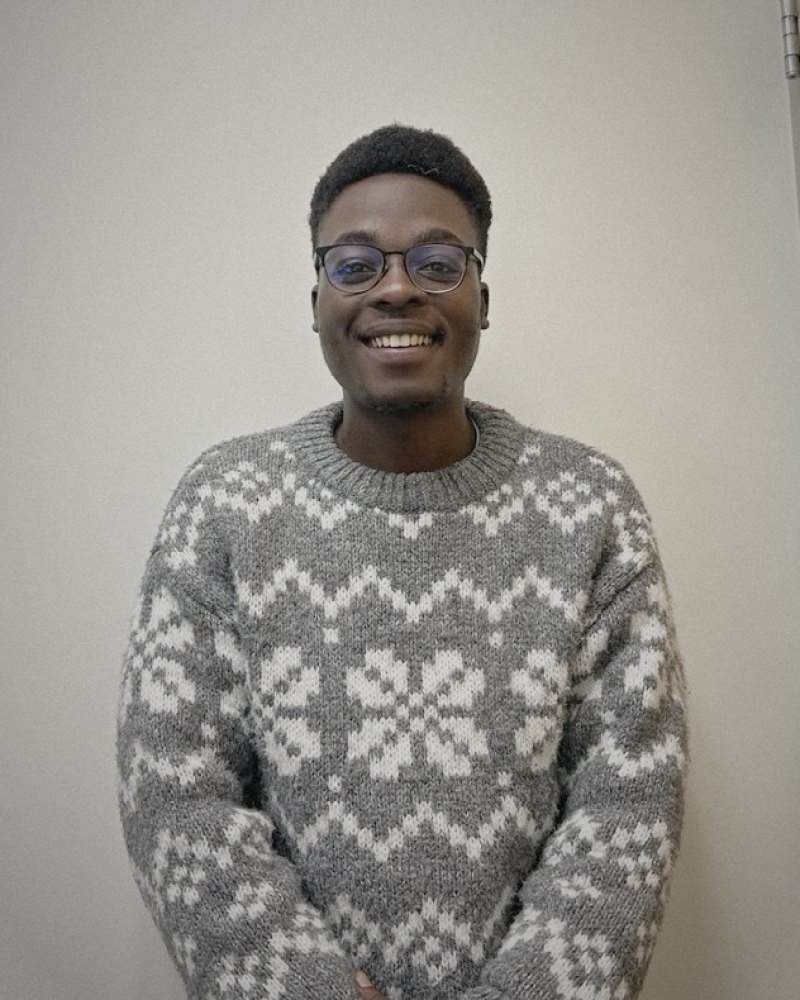
Steven
Builds the robot, its power system and its controller. Before Skipstone he wrote his own C++ game engine and was a senior developer at Uplift, a CRM startup for fitness trainers.
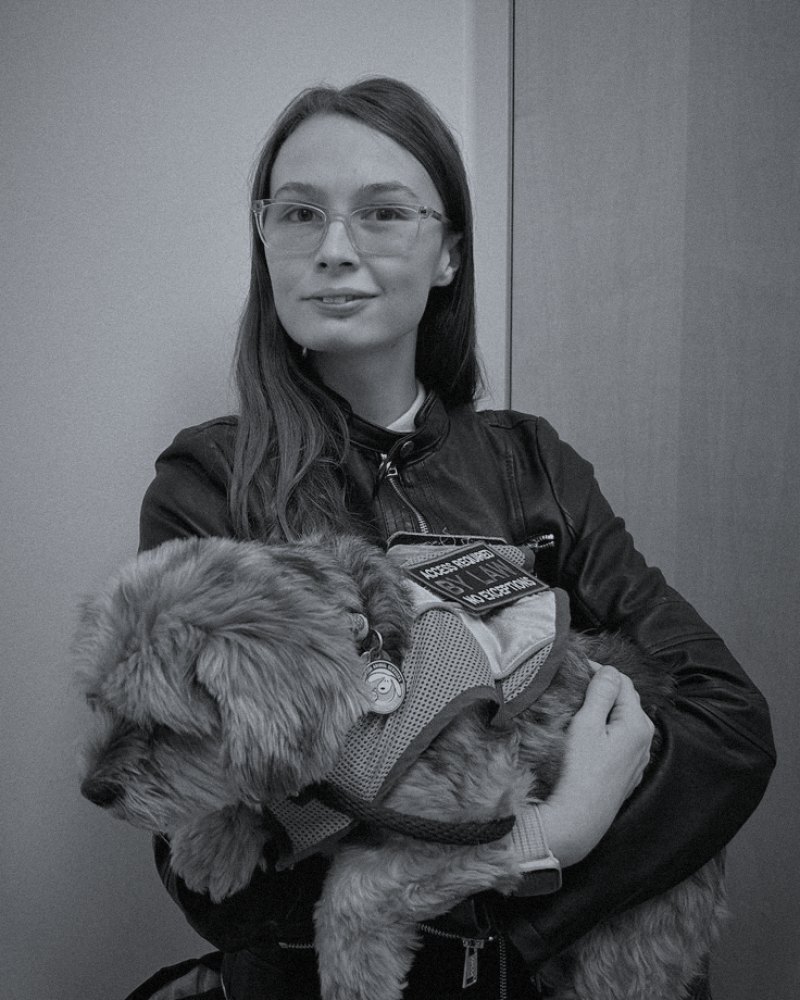
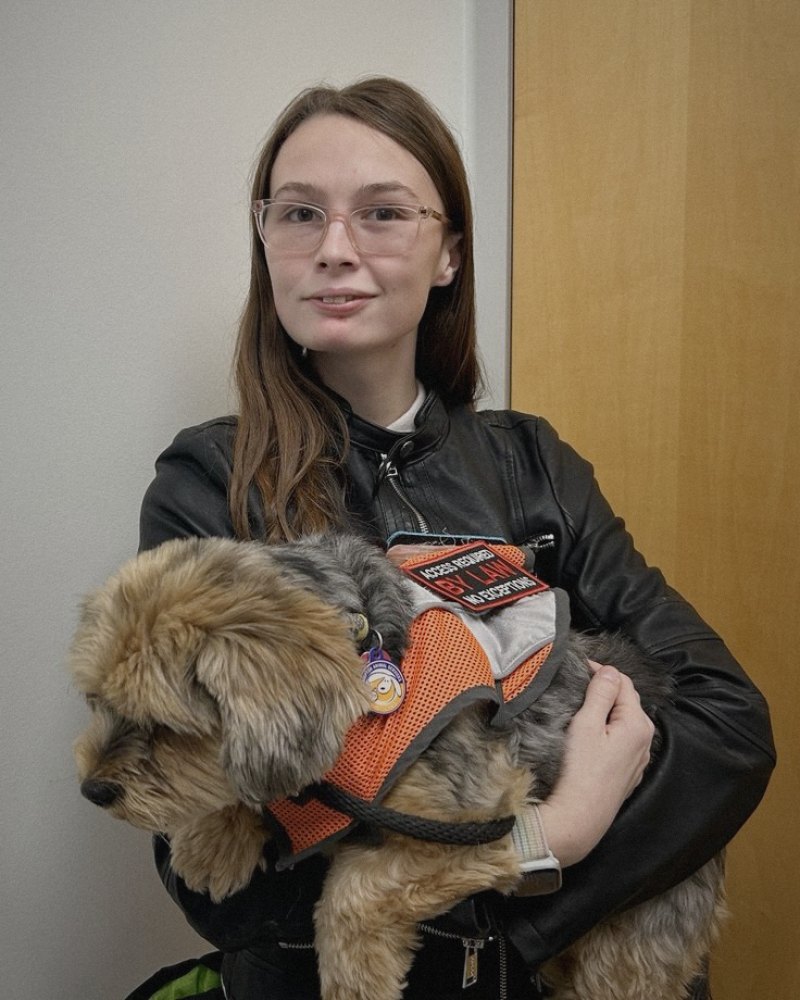
Alison and Zoe
Shapes what the robot should and shouldn't do: what service dogs are asked to carry, why they're scarce, and how needs change from day to day.
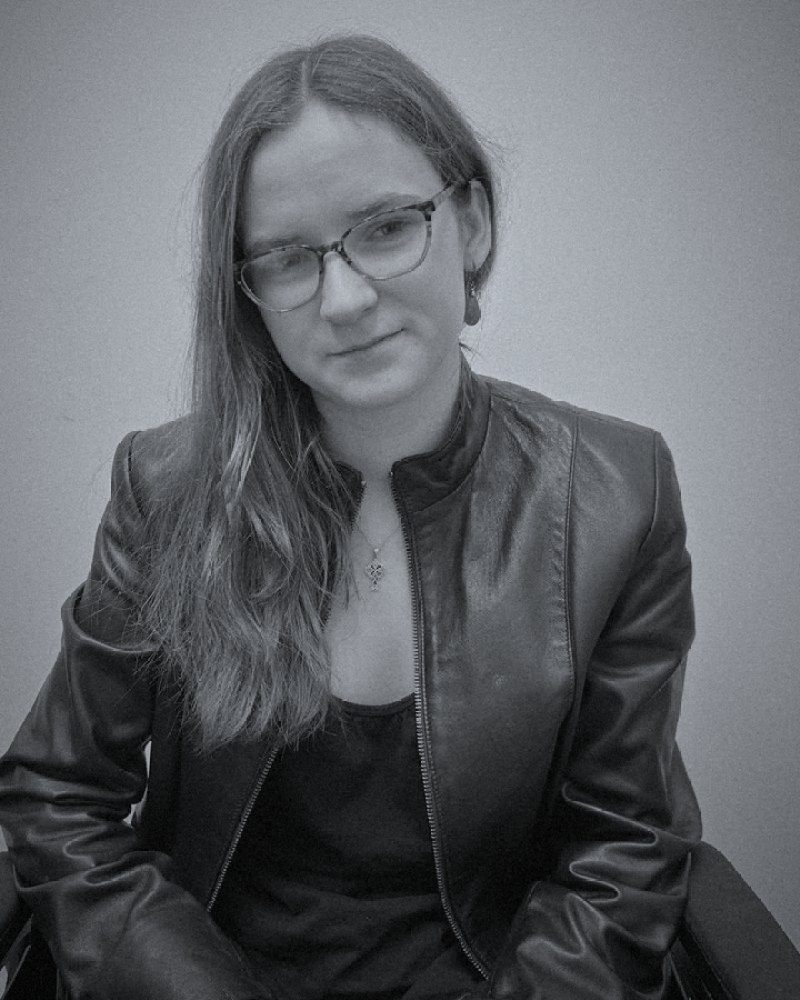
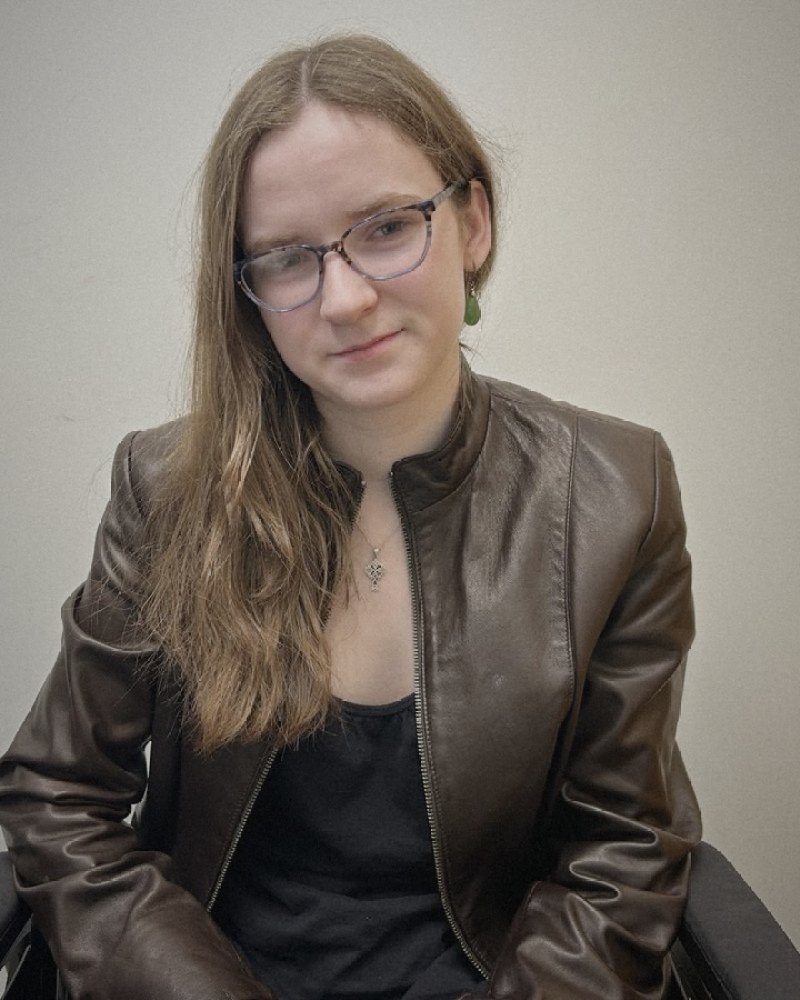
Clare
Keeps the work grounded in real journeys: ramps, buses, doors, and arriving with energy left for the thing you came to do.
People who help when they can.
Engineers, students, makers, writers and people with lived experience give their time to Skipstone. Every contribution counts, and every contributor is credited here.
"My barrier was a phone. For others it's a ramp. Skipstone starts with physical barriers."
Steven Kibande, founder
When I started university in Uganda, I couldn't say my own name. I stutter, and for years the phone was a wall. My body worked, and the world was still closed. That's what accessibility means to me: whether the world fits you.
I've shipped hard things before. At university I was CTO of a startup building a carrier for premature babies leaving neonatal intensive care; we pitched it in Germany and won. I wrote my own game engine in C++, and in Canada I was a senior developer at a CRM startup. Skipstone is the hardest, and the one that matters most.